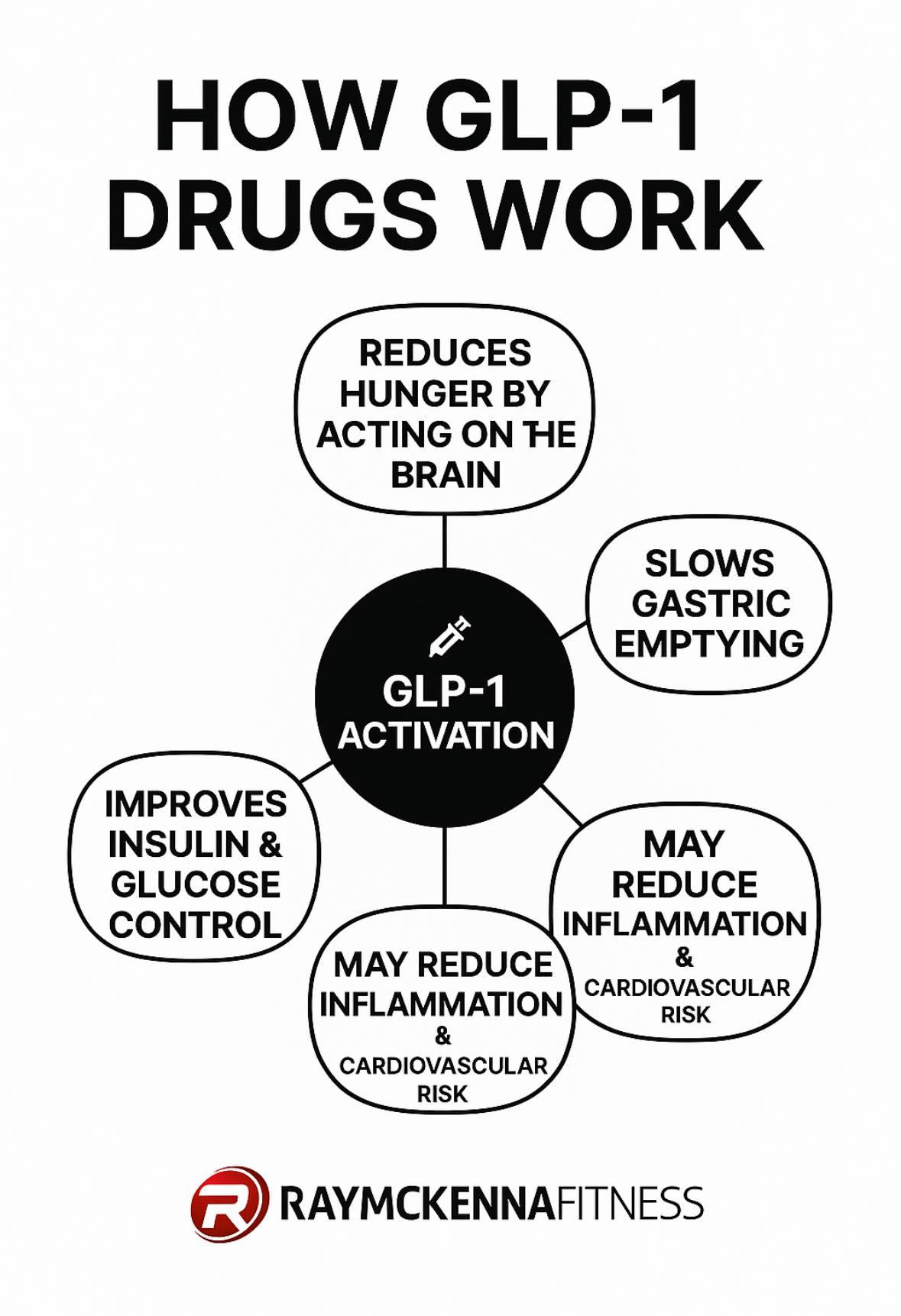
GLP-1 and GIP are released into the bloodstream
Active or Historically Restrictive Eating Disorders NEDA, ANAD, and multiple clinical researchers now consider active restrictive eating disorders including anorexia nervosa and ARFID populations for whom GLP-1 medications pose serious and underappreciated risk
Often Combined With Myers Cocktail Glutathione is most commonly administered at the end of a Myers Cocktail session the B vitamins and Vitamin C in Myers Cocktail actually support glutathione recycling, making the combination more effective than either alone
More serious but less common risks include pancreatitis, gallbladder disease, acute kidney injury (particularly in the setting of dehydration from gastrointestinal symptoms), and hypoglycemia when used in combination with insulin or sulfonylureas
Signals indicating AP were observed across all GLP-1 RAs, with particular emphasis on exenatide and liraglutide
Additionally, rapid metabolic changes post-surgery, including hormonal shifts and oxidative stress, may have contributed to sustained MOTS-c elevation